
YABOTÍ Biosphere Reserve
An Exclusive Opportunity for Sustainable Investment
An Ideal Harmony of Nature, Production, and Profitability
Secure an unparalleled property that goes far beyond traditional real estate investment, positioning itself as a strategic asset for the future. Spanning 6,847.5 hectares in the heart of the Yabotí Biosphere Reserve in Misiones, Argentina, this estate combines exceptional scale with multifaceted profitability potential—fully aligned with global sustainability trends and the growing demand for responsible investment.
A Valuable Asset with Distinctive Benefits

Authorized Forest Management Plan
The lot has an approved Forest Management Plan valid until 2035, allowing the responsible use of 34% of the forest. This ensures a controlled and legal flow of timber revenues.

The Future is Green: Hydrogen and Oxygen Investment Project
Beyond forest management and tourism, this property provides an exceptional foundation for a Green Hydrogen project—one of the planet’s most promising and clean energy sources. Misiones, with its abundant solar energy and water resources, offers the ideal setting to produce green hydrogen through water electrolysis, turning sustainability into a profitable investment opportunity.
· Clean Energy: A solar park to power the process.
· Production: Electrolysis equipment to generate hydrogen (H₂) and oxygen (O₂).
· Storage and Distribution: Compression systems and tanks to store the gas at high pressure.
· Market Potential: With a projected capacity of 10 Nm³ per hour, the plant could cover up to 5% of the province’s butane gas demand.
Investment Value and Reliable Returns

With a total area of 6,847.5 hectares, this property is offered at a price of USD 18,118,750. The total sale price includes the approved forest management plan and environmental impact study, representing a significant added value.
Multiple Revenue Streams:
- ✅ Timber Exploitation: Steady income from high-quality wood.
- ✅ Carbon Credits: A financial asset with strong appreciation potential.
- ✅ Ecotourism Projects: Diversified, high-margin revenue streams.
- ✅ Green Energy: Pioneering hydrogen production in the region.
The property lies within the Yabotí Biosphere Reserve, where diverse sustainable use models are applied to safeguard biodiversity as a core objective.
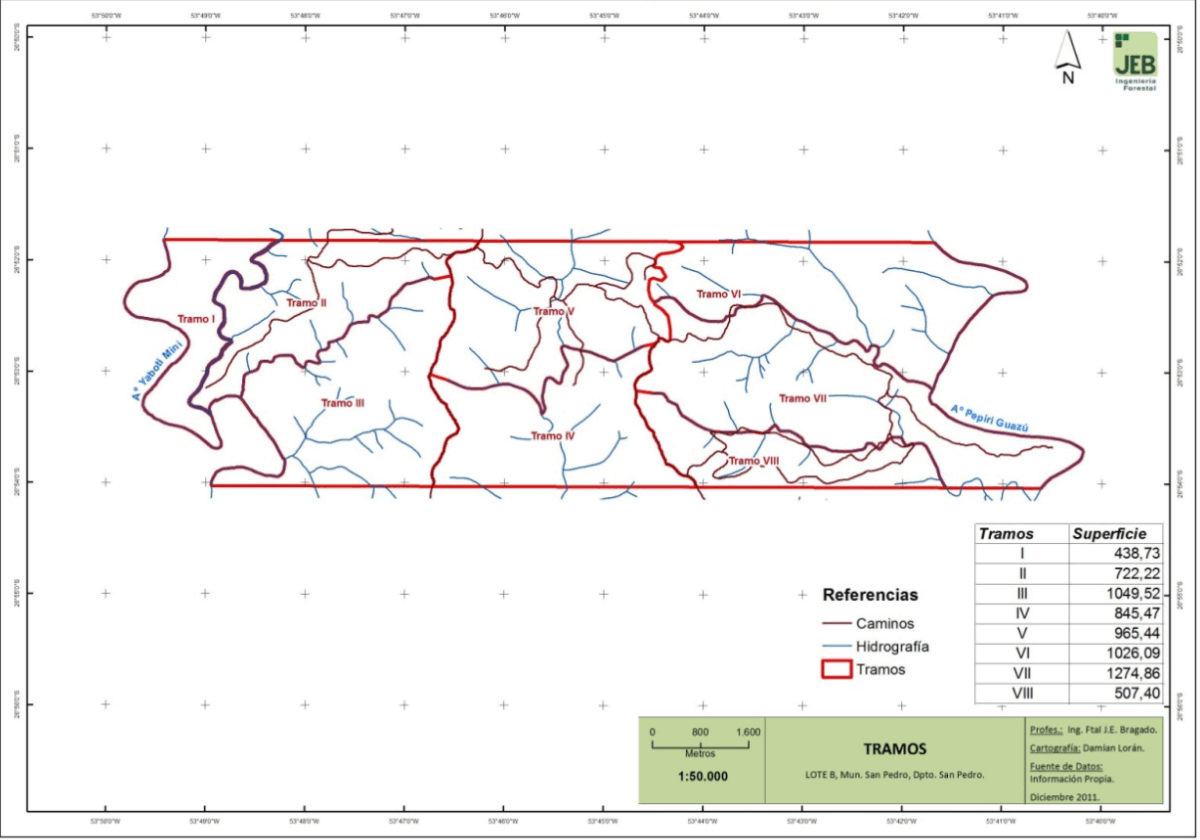
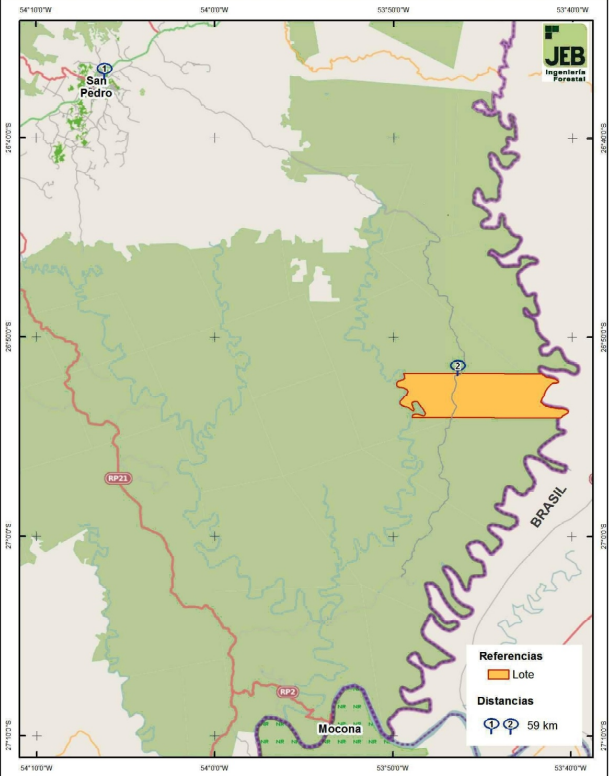
The property borders to the north with the estates of Harriet and La Mocheta, with their respective lots C and D. To the east lies the Pepiri Guazú stream, serving as a natural boundary with the United States of Brazil. To the south, it adjoins the Duranona property, registered under cadastral code B2. To the west, it borders the lands of Forestal Montreal S.A., separated by the Yabotí Mini stream, with access to internal waterways that make this an idyllic location with remarkable potential
An Idyllic and Strategic Location
Nestled in the heart of the Yabotí Biosphere Reserve, this property offers unparalleled access to natural resources and international connectivity. Its proximity to the Pepiri Guazú stream—serving as a natural boundary with Brazil—and direct access to internal waterways create an idyllic setting with extraordinary potential. This unique positioning combines ecological prestige with cross-border opportunities, making it a cornerstone for sustainable investment and global expansion.
Strategically positioned within the Yabotí Biosphere Reserve, the property enjoys unique natural boundaries: to the north with Harriet and La Mocheta estates, to the east with the Pepiri Guazú stream marking the border with Brazil, to the south with the Duranona property, and to the west with Forestal Montreal S.A., separated by the Yabotí Mini stream. This privileged setting enhances its exclusivity and long-term investment potential.
Lot B is precisely located at coordinates 26°53’16″S 53°43’02″W, ensuring clear territorial definition and reinforcing its strategic positioning within the Yabotí Biosphere Reserve.
Designated in yellow for legally approved exploitation, this area enjoys full tax exemption—an exceptional benefit that enhances its ability to attract international financing for eco-tourism ventures
Preserving Biodiversity
Diversity of Mammal Species
The Yabotí Biosphere Reserve hosts 293 recorded species across 45 families, including 40 classified under national or international threat categories. This remarkable biodiversity underscores its global ecological importance and strengthens its value as a sustainable investment destination.
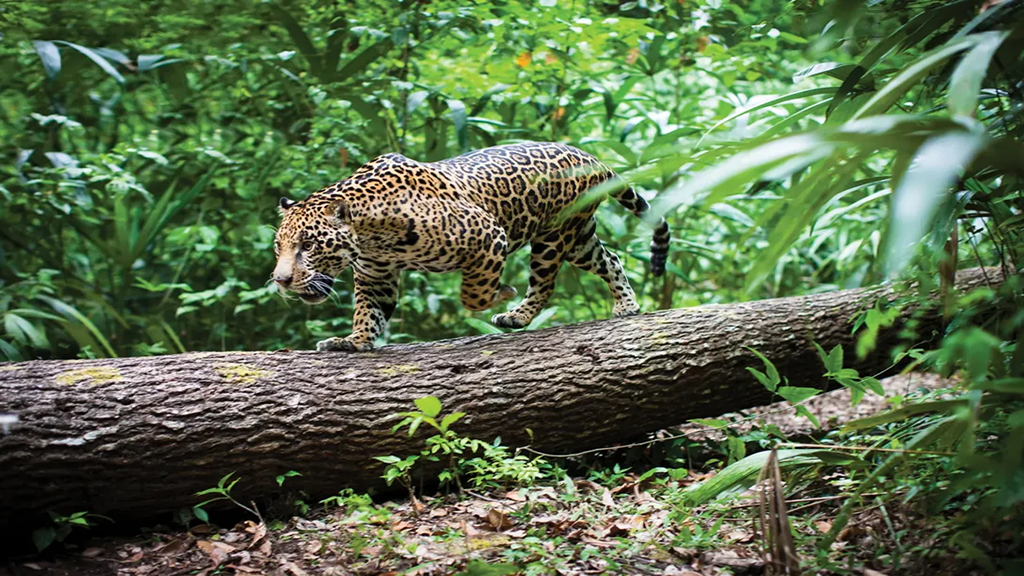
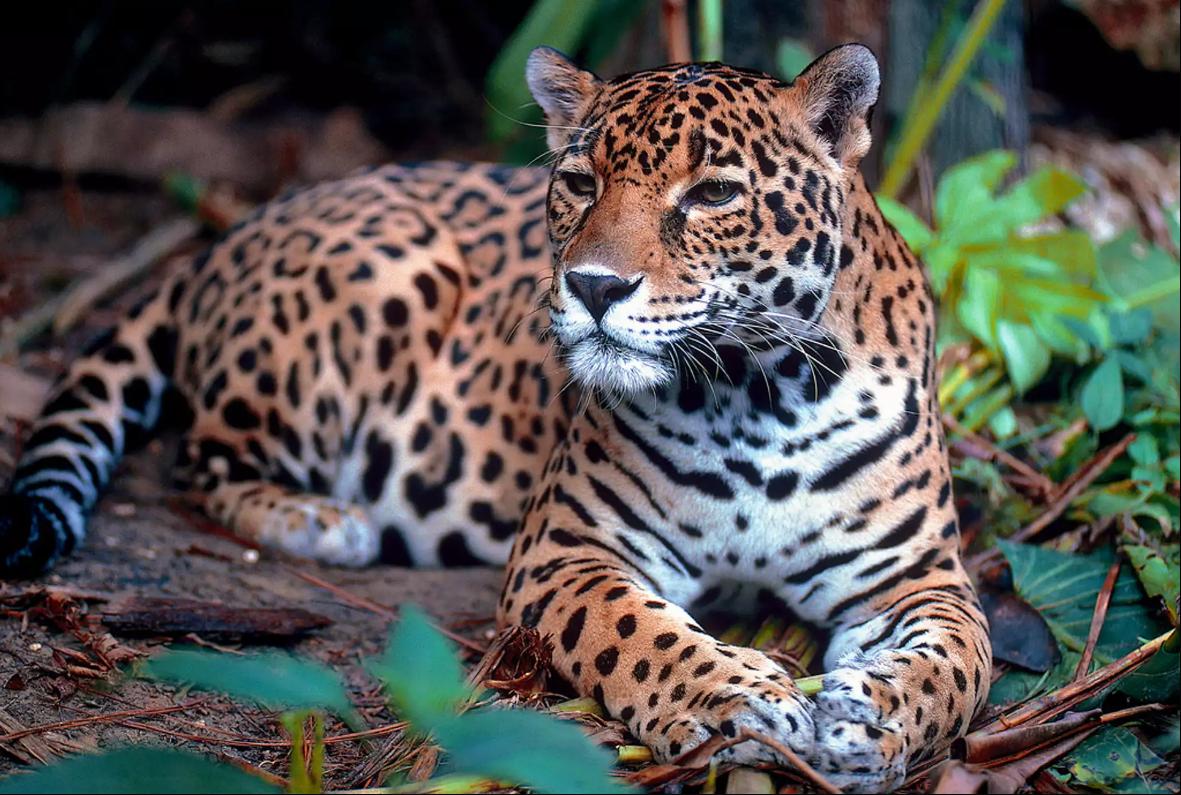
Yaguareté
The jaguar (Panthera onca) has been declared a Provincial Natural Monument under Law XVI – No. 19, symbolizing both ecological prestige and a commitment to biodiversity conservation.
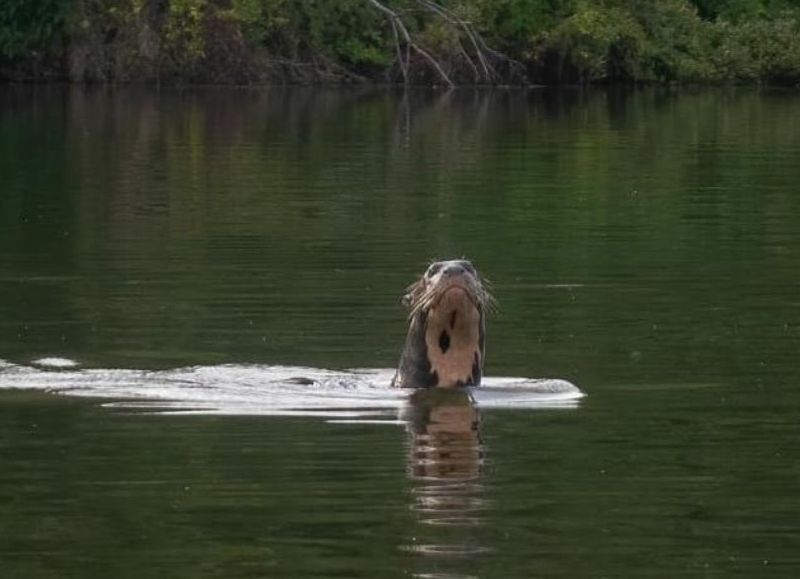
Lobo Gargantilla
Giant Otter (Pteronura brasiliensis)** Recognized as a Provincial Natural Monument by Law XVI – No. 44, the giant otter embodies the richness of aquatic ecosystems and highlights the reserve’s role in safeguarding rare fauna.
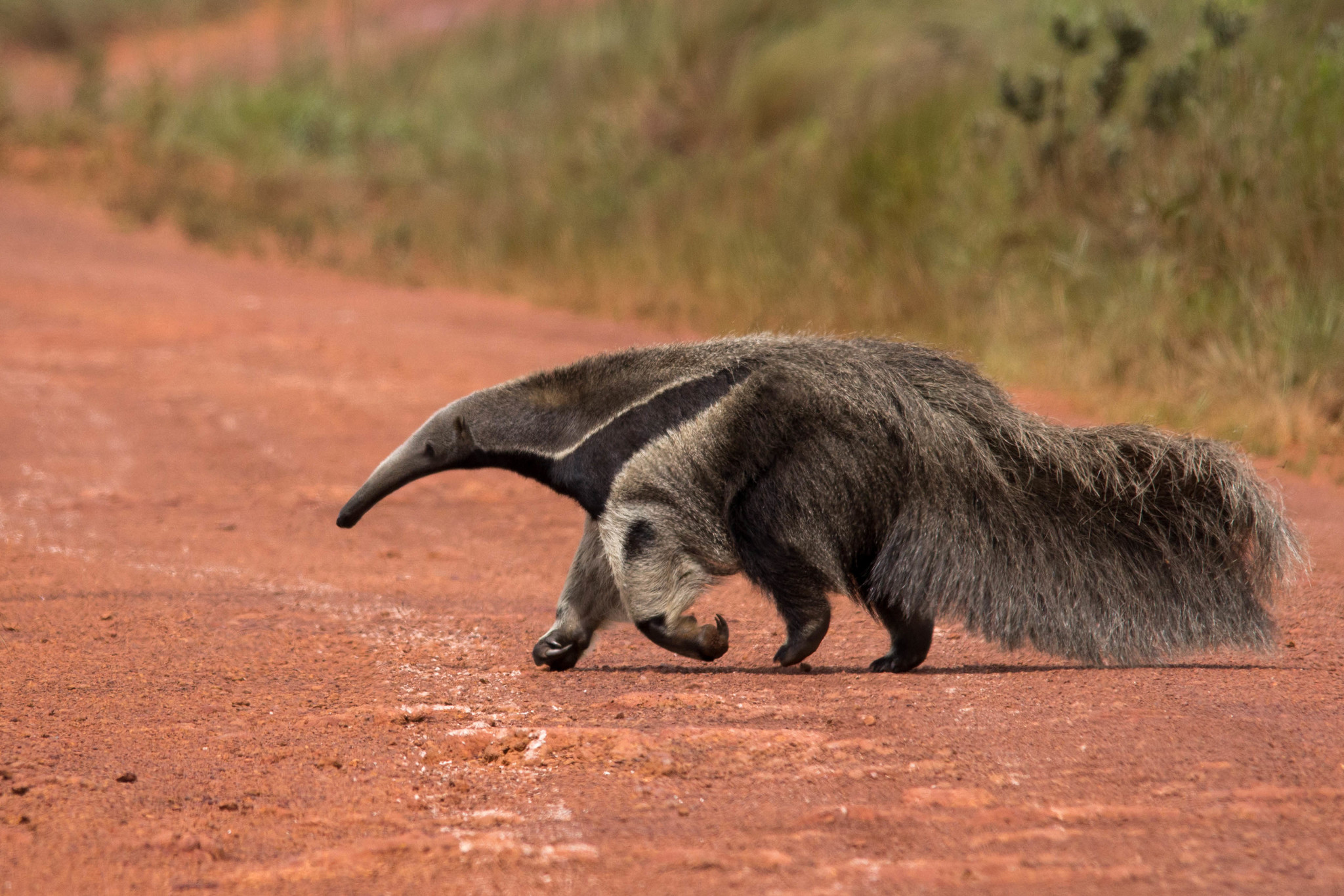
Oso Hormiguero Oso Bandera Tamanduá
Giant Anteater (Myrmecophaga tridactyla)** Protected under Law XVI – No. 22, the giant anteater represents the unique diversity of Misiones’ forests and reinforces the reserve’s mission to conserve vulnerable species.
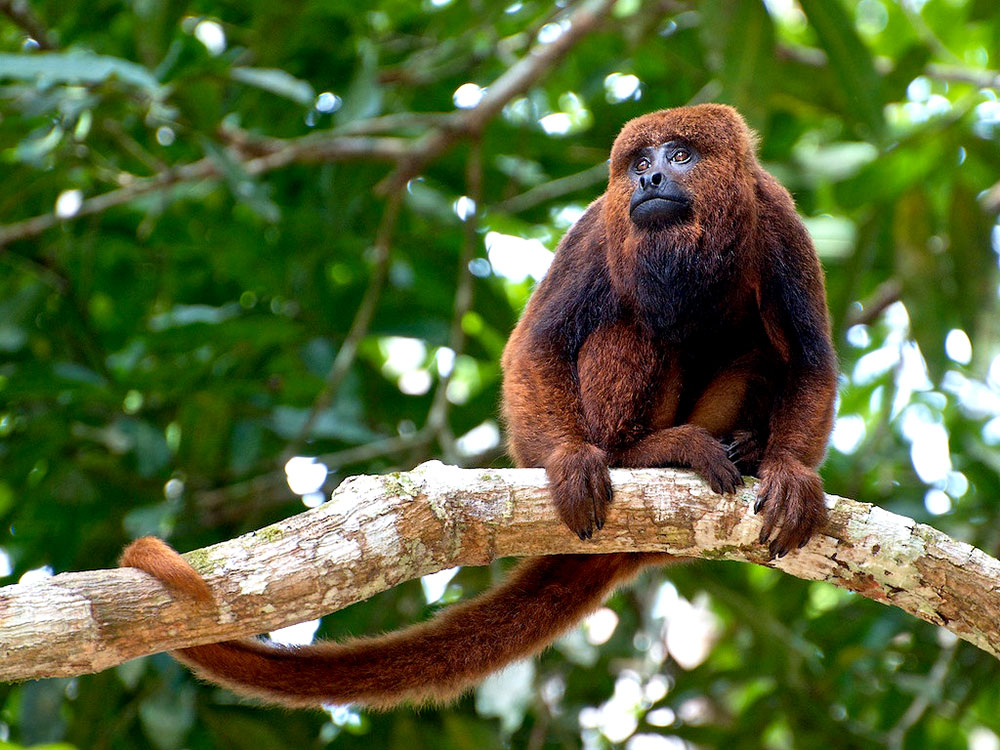
Mono Carayá Rojo
Brown Howler Monkey (Alouatta guariba)** Designated a Provincial Natural Monument through Law XVI – No. 56, the brown howler monkey illustrates the importance of preserving primate populations that sustain forest dynamics.
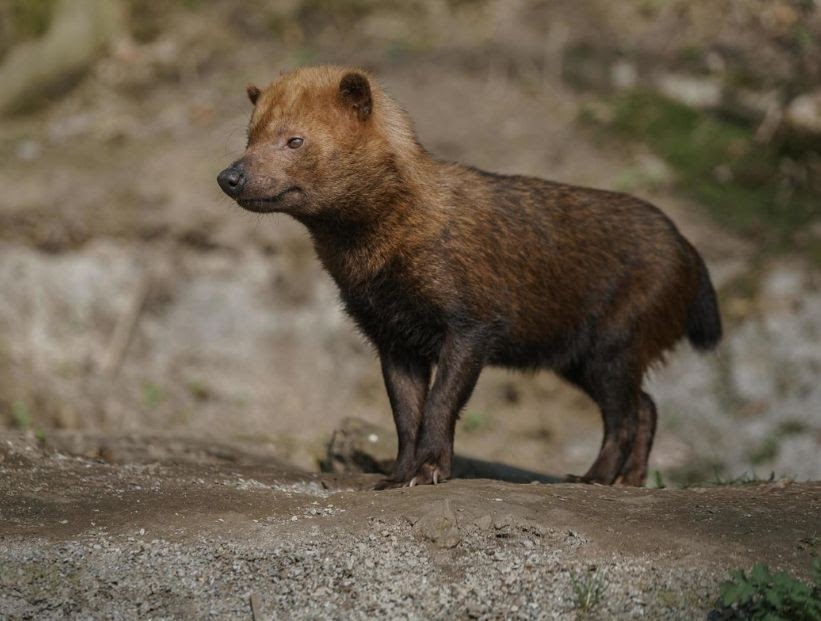
Zorro Pitoco
Bush Dog (Speothos venaticus)** Declared a Provincial Natural Monument under Law XVI – No. 56, the bush dog is a rare carnivore whose presence underscores the exceptional biodiversity and conservation value of Yabotí
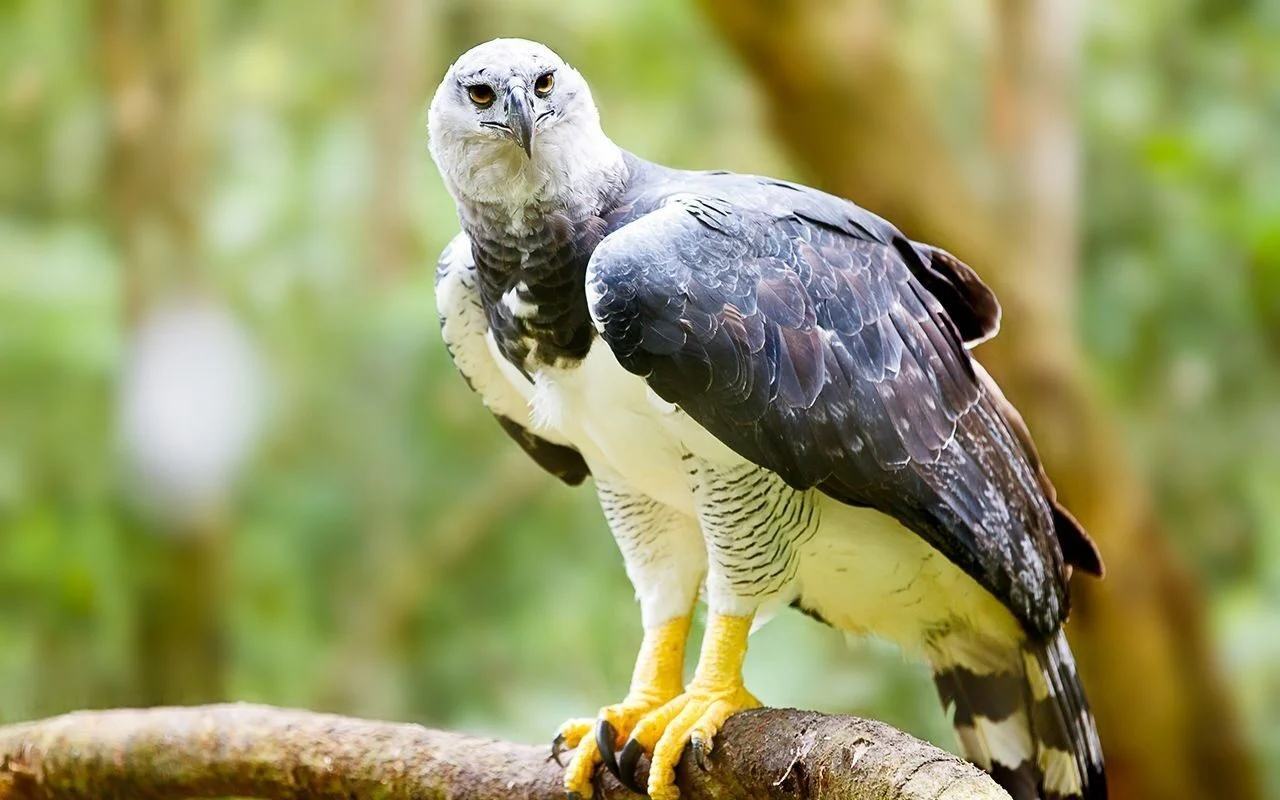
Harpy Eagle (Harpia harpyja)
Declared a Provincial Natural Monument under Law XVI – No. 44, the harpy eagle is one of the most powerful raptors in the world. Its presence elevates the ecological prestige of the reserve, positioning Yabotí as a sanctuary of global significance and a magnet for eco-tourism and conservation-driven investment.
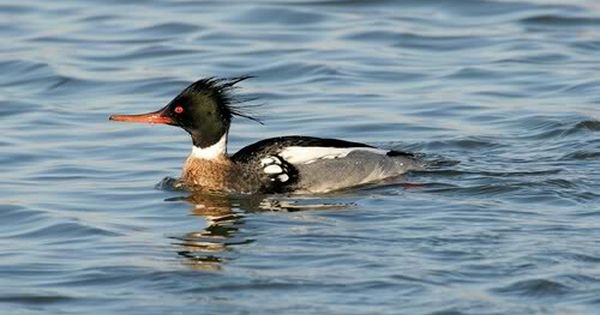
Brazilian Merganser (Mergus octa setaceus)
Recognized under Law XVI – No. 44, the Brazilian merganser is among the rarest waterfowl worldwide. Its survival within Yabotí underscores the reserve’s role as a critical habitat for endangered species, enhancing its appeal to international funding programs and biodiversity-focused investors
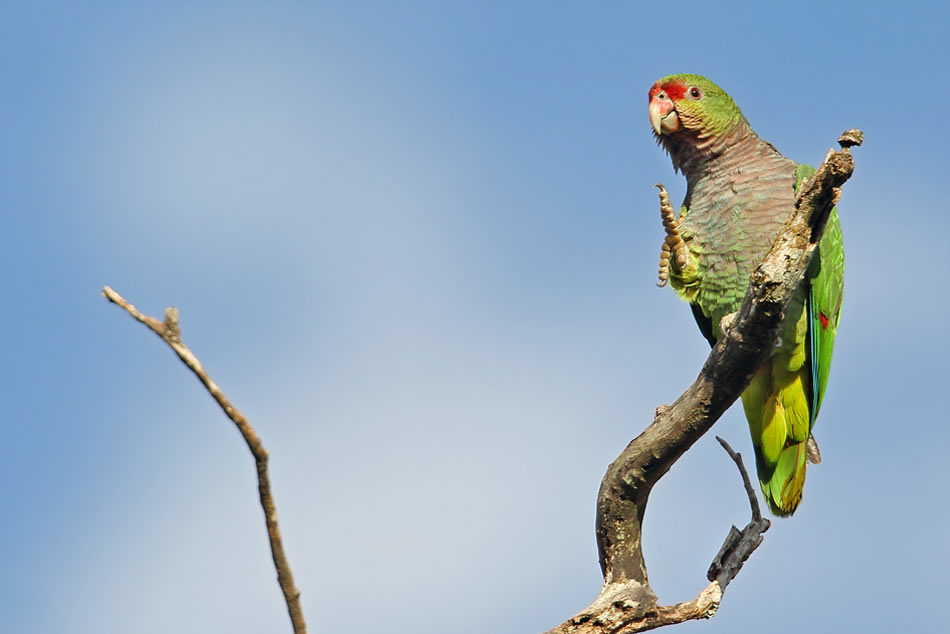
Blue-fronted Amazon (Amazona petrei)
Protected by Law XVI – No. 56, the blue-fronted amazon is a vibrant emblem of South American forests. Its conservation within Yabotí highlights the reserve’s potential for sustainable tourism experiences, birdwatching initiatives, and eco-branding opportunities that attract global markets.
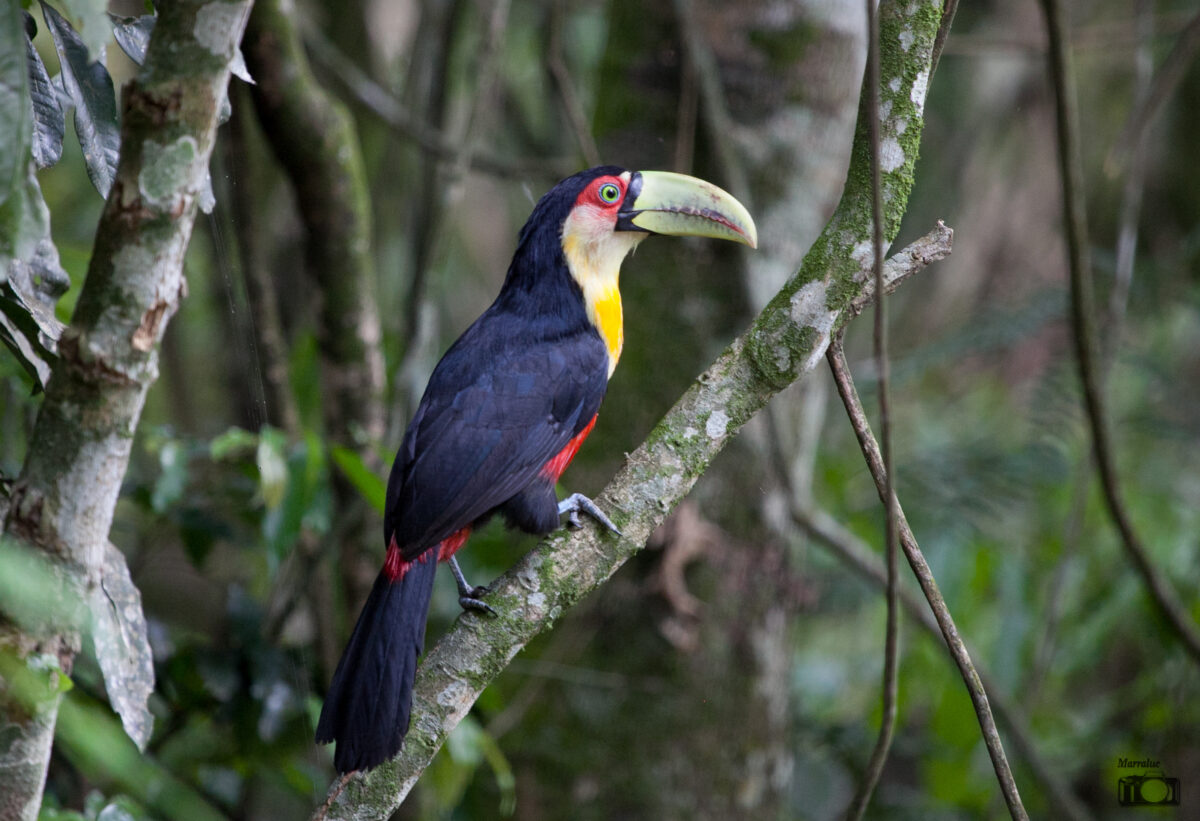
Toco Toucan (Ramphastos toco)
Declared a Provincial Natural Monument under Law XVI – No. 75, the toco toucan is an iconic species whose striking appearance symbolizes tropical biodiversity. Its presence strengthens Yabotí’s image as a destination of natural wonder, opening pathways for investment in eco-lodges, educational tourism, and conservation partnerships.
Carbon and Oxygen Certificates
In the Yabotí Biosphere Reserve and across the province of Misiones, a carbon credit program has been launched to generate tradable credits through reduced deforestation. These credits are sold to finance rainforest preservation and local development. Each credit represents the capture of one metric ton of CO₂ equivalent, creating direct economic incentives for native forest owners and local communities.
Although there is no specific ‘oxygen credit,’ Misiones promotes itself as a major producer of ‘clean oxygen’ thanks to its vast rainforest. This positioning adds symbolic and ecological value to the carbon credit system, as demonstrated by the launch of its ECO2 bonds
Through the Jurisdictional REDD+ Program, projects actively reduce deforestation and prevent the release of carbon dioxide into the atmosphere. This mechanism transforms conservation into measurable climate action, generating carbon credits that attract international investment while strengthening local development..
Certified emission reductions are transformed into carbon credits, tradable on the voluntary market. Each credit represents measurable climate action, turning conservation into a financial instrument that attracts international investors while supporting local development.
Funds generated through carbon credits are directed toward strengthening policies that preserve the Misiones rainforest. This reinvestment model ensures that financial flows not only protect biodiversity but also create long-term value for investors by positioning Misiones as a global benchmark in sustainable development.
Biodiversity conservation generates additional income streams, providing projects with a unique ‘biodiversity bonus.’ This added value enhances financial performance while positioning initiatives within the Yabotí Biosphere Reserve as premium opportunities for investors seeking measurable ecological impact alongside economic returns
The program ensures that indigenous communities and small landowners share in the economic benefits generated by carbon credits. By directly rewarding forest conservation, this model strengthens social equity, empowers local stakeholders, and creates long-term stability for investors seeking projects with measurable ecological and social impact.

Yabotí Biosphere Reserve: Carbon Credit Opportunities
“The Yabotí Biosphere Reserve, embedded within the Misiones rainforest, directly benefits from the carbon credit program. Strategic investments in flagship species reintroduction—such as the jaguar—enhance the ecological prestige of the reserve. By combining carbon credit generation with biodiversity conservation, Yabotí positions itself as a unique model where financial innovation meets ecological restoration, offering investors measurable climate impact and aspirational value

The Oxygen Value
While no formal ‘oxygen bond’ exists, Misiones proudly positions itself as a producer of clean oxygen through its vast rainforest. This concept highlights the broader environmental benefits of the forest—extending beyond carbon capture to encompass pure oxygen production and wildlife conservation. By combining measurable carbon credits with symbolic oxygen value, Misiones offers investors a dual narrative of tangible climate action and aspirational ecological branding.
Sustainable Financing and Ecotourism
The Yabotí Biosphere Reserve in Misiones, Argentina, has secured $1.5 million in financing from the Green Climate Fund to advance sustainable management of the Paraná rainforest. By promoting ecotourism as a driver of economic and social development, the program channels international investment into local growth. This fund supports a comprehensive work plan designed to balance environmental conservation with the valorization of natural and cultural heritage, positioning Misiones as a global model of green financing and community-based tourism
Green Climate Fund
“An approved work plan grants access to $1.5 million from this global climate fund, enabling strategic initiatives that balance environmental conservation with sustainable development in Misiones.
Yabotí Ecotourism Approach
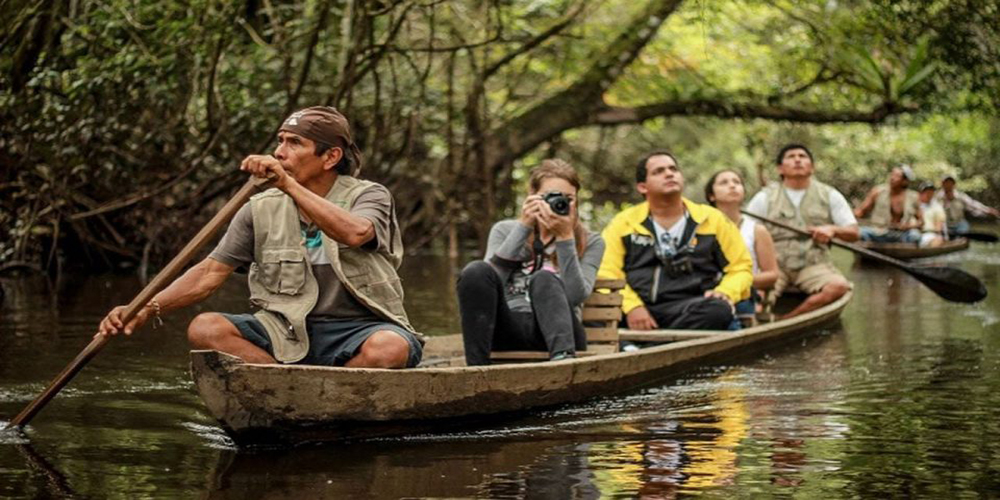
Situated in the municipality of San Pedro, the Yabotí Biosphere Reserve aims to become a regional benchmark for sustainability. By valuing its natural and cultural resources, the reserve promotes a development model that balances environmental conservation with community empowerment, positioning Misiones as a leader in sustainable growth.
Value of the Rainforest
In Guaraní, ‘Yabotí’ translates as ‘turtle,’ symbolizing the patience, resilience, and wisdom of the Paraná rainforest. This name reflects the essence of the forest as the beating heart of the ecosystem, where time flows differently and nature teaches balance and endurance
Sustainable Growth
The initiative aims to position tourism as a strategic pillar for achieving economic, environmental, and social sustainability in the region. By embedding ecotourism into the development model, the project balances conservation with growth, creating long-term value for local communities and international stakeholders.
Invest in a Sustainable Future!
This property represents more than a simple land investment—it embodies a commitment to conservation, innovation, and a greener planet. By aligning financial growth with ecological responsibility, it offers investors the opportunity to generate impact while securing long-term value.